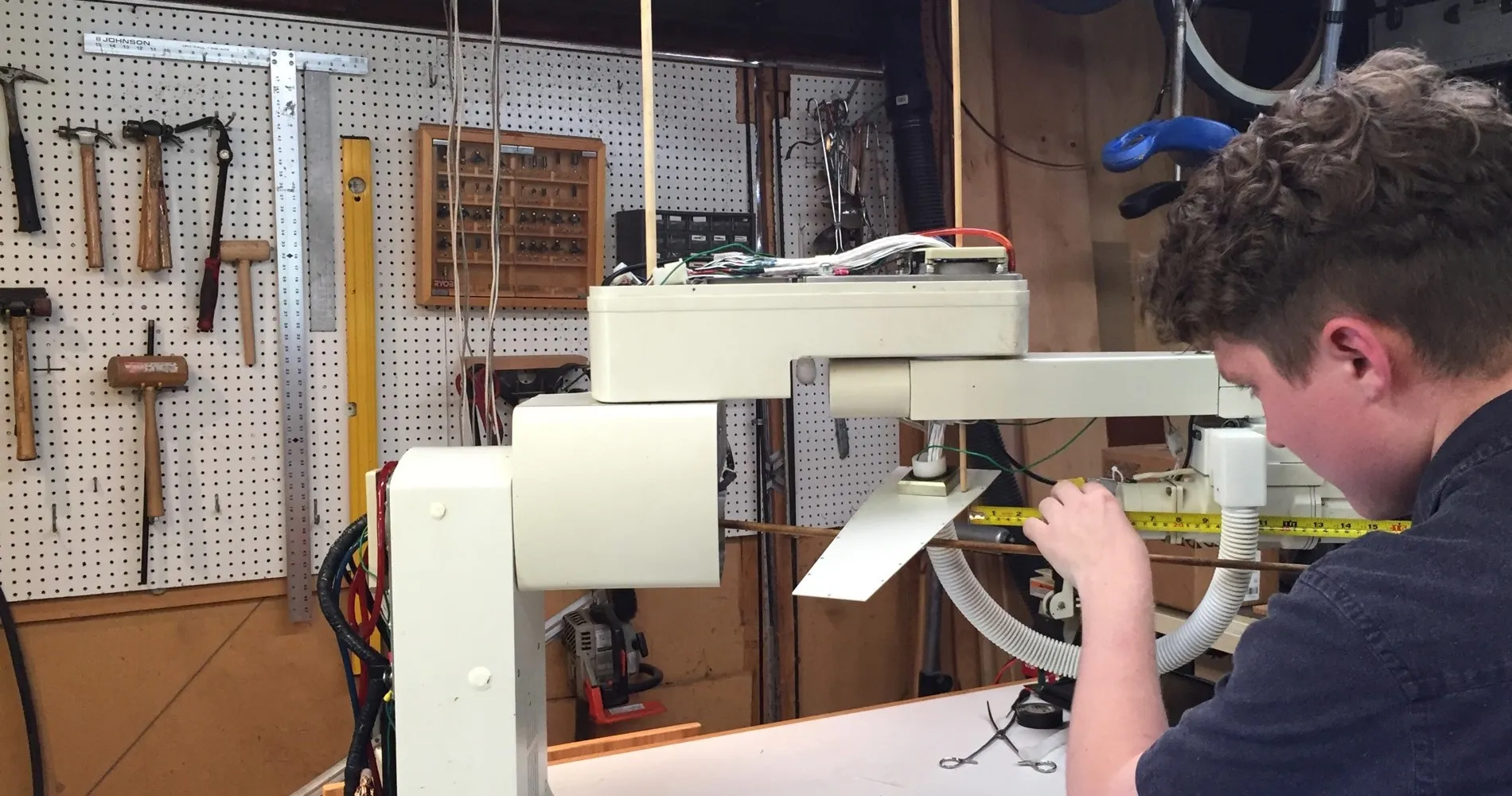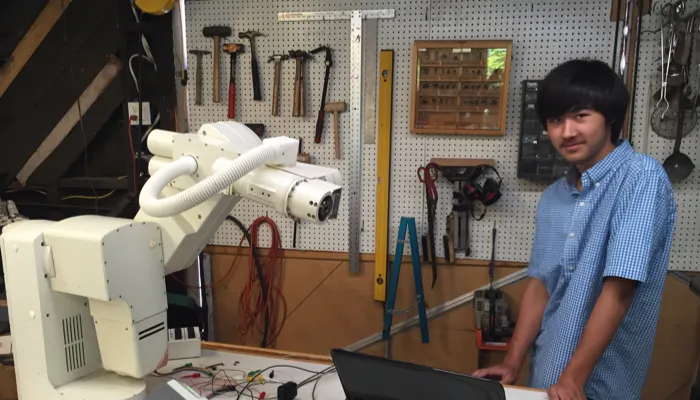

Students in League Labs function as apprentices, working on substantial research projects, contributing to open-source software, or developing their own ambitious applications. With guidance from professional developers and computer scientists, students learn advanced topics like machine learning, systems programming, algorithm design, or specialized domains they’re passionate about. League Lab students often present their work at conferences, publish papers, or launch real products. This program develops the independent learning and problem-solving skills essential for success in computer science careers and research.
- Apprenticeship-style mentorship with experienced engineers and researchers
- Opportunities to contribute to open-source and real-world software projects
- Exposure to advanced topics tailored to each student’s interests and goals
To prepare for projects, students can take free short classes in our Code Clinic meetup. Classes cover topics like version control systems, professional development environments, software testing, debugging strategies, and industry-standard practices that professional programmers use daily. Code Clinic helps bridge the gap between learning syntax and working like a professional developer, preparing students for internships, jobs, and university-level computer science.
- Weekly online masterclasses led by professional engineers
- Focus on emerging technologies such as machine learning and containerization
- Applied practice with testing, deployment, and collaborative workflows
League Labs operates like a studio: students apply, select a specialty team, and commit to weekly standups, sprint demos, and collaborative build sessions. Mentors guide apprentices through research design, version control, testing, and technical writing so they graduate ready for internships, college labs, or open-source contributions.